This technical documentary follows the intensive restoration of a 1730s Charles Clay musical organ clock at Museum Speelklok in Utrecht.
-
Restoration Philosophy: The museum specializes in restoring automatic instruments to a fully functional playing state. They view the instrument itself as the “client,” prioritizing historical accuracy over modern convenience to ensure the music programmed centuries ago can still be heard today.
-
The “Case Mystery”: During disassembly, the team discovered evidence of significant historical “jury-rigging.” It appears the organ movement may not have originally belonged to its current case; previous owners had sawed off sections of the windchest and frame to force a fit, despite the high level of craftsmanship seen elsewhere in the piece.
-
Engineering Challenges: A major focus of the restoration was a later modification to the winding system. Originally, winding the clock required sliding the heavy top case upward—a cumbersome three-person task. A past restorer added a side-winding mechanism using bevel gears, which created destructive axial stress on bearings designed only for radial loads.
-
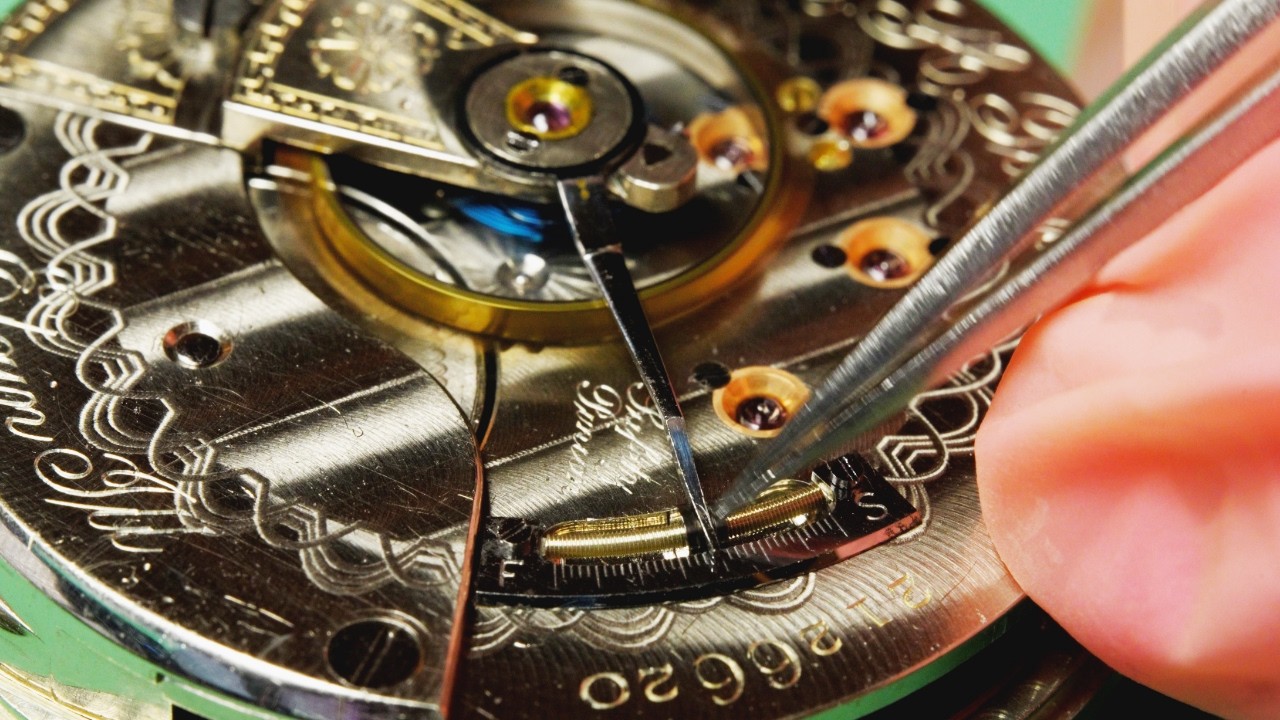
Horological Restoration: To rectify this, the team removed the damaging side-winding gears, closed the unauthorized holes in the plates, and restored the original winding path through the dial. Technical repairs included manually filing all 108 teeth on the intermediate gear to fix timing issues, as well as servicing the verge escapement and pendulum suspension.
-
The Musical Result: After correcting previous “mutilations” and addressing centuries of wear, the clock has been returned to its original glory. The unique musical program on the pinned cylinder—a hallmark of Clay’s collaboration with composers like Handel—is once again playable, securing the instrument’s future for the next generation of collectors and historians.