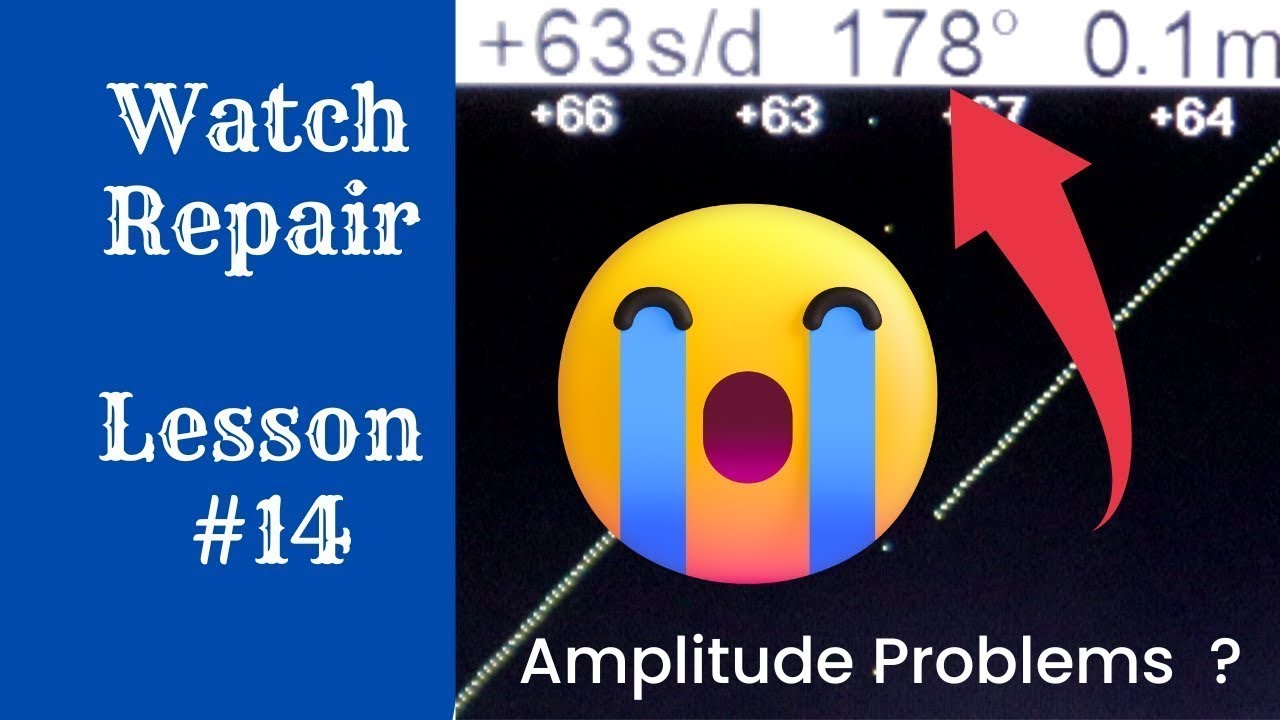
Alex Hamilton’s twelfth lesson demystifies the use of a timegrapher, explaining that it is a tool for both adjusting mechanical faults and fine-tuning regulation. He details critical metrics like amplitude, beat error, and “delta rate”—the difference between a watch’s fastest and slowest positions—to assess the overall health of a movement. The tutorial also provides a clever “pro tip” for manually calculating the correct lift angle for any mystery movement using slow-motion video and visual reference marks. This session bridges the gap between basic assembly and professional-grade chronometric tuning, emphasizing the importance of letting a watch settle before recording data.