This lecture, presented to the Society of Antiquaries of London in 2014 by experts Tessa Murdoch and Anthony Turner, provides a comprehensive exploration of the life and legacy of 18th-century horologist Charles Clay. The summary highlights the following key aspects of his career:
-
Professional Origins and Conflict: The lecture traces Clay’s journey from Yorkshire to the competitive London market. A significant portion of the talk details his intense legal battle with the Clockmakers’ Company, who vigorously opposed his patent applications for repeating mechanisms, fearing they would injure the trade of established members.
-
Artistic Collaboration with Handel: Clay is celebrated for his sophisticated “machine organ” clocks, which were the result of a unique collaboration with the composer George Frideric Handel. Handel composed and transcribed several original melodies and operatic airs specifically for these mechanical cylinders, providing what some scholars consider to be the earliest accurate “recordings” of his musical intentions.
-
Masterpieces of Horology: The speakers highlight several surviving masterpiece clocks that represent the pinnacle of 18th-century luxury:
-
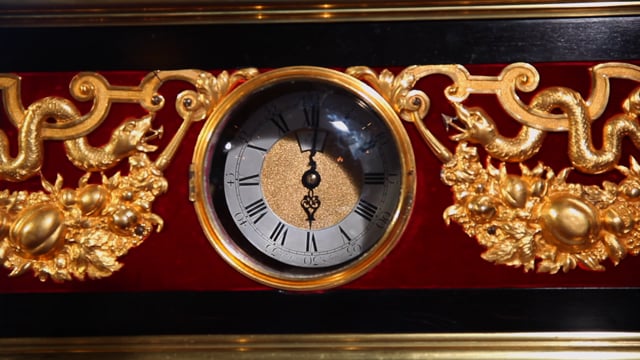
The Birmingham Clock: Described as the “first made in perfection,” it features original gilt bronze reliefs and a pedestal.
-
The Windsor Castle Clock: Known as the “Temple and Oracle of Apollo,” it incorporates a 17th-century rock crystal casket and plays a variety of Handel’s arrangements.
-
The Kensington Palace Clock: Titled the “Temple of the Four Grand Monarchies,” this elaborate centerpiece was completed after Clay’s death and features sculptures by Louis-François Roubiliac.
-
Historical and Cultural Context: The lecture contextualizes Clay’s success within the broader “opera mania” of Georgian London, noting how he marketed his clocks as high-end souvenirs for the elite who frequented the Italian Opera. It emphasizes that his workshop was a hub where clockmaking, sculpture, painting, and music converged to create some of the most expensive and celebrated luxury goods of the era.